_edited_edited_pn.png)


.png)
New Plant? No Problem!
Here’s How to Keep It Happy.
.png)
Whether you’re a first-time plant parent or an experienced grower, we’ve put together an easy-to-use resource to help you keep your new plant happy and thriving.
With the help of volunteers (and a little AI magic), we’ve created this simple, easy-to-use plant care guide to ensure your new green friend gets the best care possible.
Every plant has its own personality—some love bright light, others thrive in the shade, some need frequent watering, and others prefer to be left alone. No matter what kind of plant you picked up at a TRIBE stand, this guide will help you give it the care it needs.
✨ Browse by plant name or illustration to find the perfect care tips for your plant!

Air Plant
Scientific Name: Tillandsia
Description: Unique, soil-free plant with spiky, silver-green leaves that absorb nutrients from the air.
Light Requirements: Loves bright, indirect light.
Watering Needs: Mist 2-3 times a week or soak in room- temperature water for 20-30 minutes weekly. If possible, hang upside down after soaking to ensure water drains from plant’s leaves
Ideal Growing Conditions: Great for indoor décor; place in well-ventilated spaces.
Height: Varies based on variety and conditions
Spread: Varies based on variety and conditions
Fun Facts: Air plants don’t need soil and can be mounted on almost anything, making them perfect for creative displays.

African Violet
Scientific Name: Saintpaulia
Description: Small, vibrant flowers in shades of purple, pink, or white with fuzzy, dark green leaves.
Light Requirements: Thrives in bright, indirect light.
Watering Needs: Keep soil slightly moist; avoid getting water on the leaves. Thrives on bottom watering
Ideal Growing Conditions: Perfect for indoor spaces; prefers warm, humid environments.
Height: 6 to 18 inches
Spread:12 to 24 inches
Fun Facts: Known for blooming year-round indoors, they symbolize devotion and love.

Aloe vera
Scientific Name: Aloe barbadensis
Description: Succulent with thick, fleshy leaves filled with healing gel.
Light Requirements: Thrives in bright, indirect light or partial sun.
Watering Needs: Water when the soil is completely dry- typically every 2-3 weeks; avoid overwatering.
Ideal Growing Conditions: Perfect for sunny window sills and outdoor gardens in warm climates.
Height: 2 to 3 feet
Spread:1 to 3 feet
Fun Facts: Aloe Vera is famous for its soothing gel, which is often used to treat burns and skin irritations.

amaryllis
Scientific Name: Hippeastrum
Description: Large, trumpet-shaped flowers in vibrant reds, pinks, whites, and orange that bloom on tall leafless stems.
Light Requirements: Loves bright, indirect light.
Watering Needs: Keep soil moist but not soggy during blooming; reduce watering once flowers fade.
Ideal Growing Conditions: Great for indoor blooming during winter months.
Height: 1 to 2 feet
Spread:1 to 2 feet
Fun Facts: Amaryllis bulbs can bloom year after year with proper care, adding color to the winter months.

arrowhead
Scientific Name: Syngonium podophyllum
Description: Heart-shaped leaves that start green and develop a lovely pink or white hue as they mature.
Light Requirements: Thrives in bright, indirect light but tolerates low light. Too much direct sunlight can scorch the leaves
Watering Needs: Keep soil slightly moist; water when the top inch is dry. Prefers humidity, so mist occasionally or place near a humidity tray.
Ideal Growing Conditions: Great for indoor pots and hanging baskets. Climbs trellises easily.
Height: Vining (varies but can reach 3-6 feet indoors with support)
Spread: Vining (varies)
Fun Facts: This plant is known to purify air, making it a popular choice for homes and offices.

aster
Scientific Name: Aster spp.
Description: Bright, daisy-like flowers that bloom in late summer and fall, in colors ranging from purple to pink to blue.
Light Requirements: Thrives in full sun.
Watering Needs: Water regularly, especially during hot, dry periods. Keep soil evenly moist but not waterlogged.
Ideal Growing Conditions: Perfect for outdoor gardens, especially in cooler climates.
Height: 1 to 3 feet
Spread: 2 to 4 feet
Fun Facts: Asters attract butterflies and are a great way to add late-season color to your garden. Asters are also often associated with wisdom and love.

asparagus fern
Scientific Name: Asparagus setaceus
Description: Delicate, feathery foliage that resembles a fern, though it’s actually a member of the lily family.
Light Requirements: Prefers bright, indirect light. Avoid harsh direct sunlight.
Watering Needs: Keep soil slightly moist; water when the top layer is dry.
Ideal Growing Conditions: Perfect for indoor containers or hanging baskets.
Height: 1 to 2 feet
Spread: 2 to 4 feet
Fun Facts: Despite its name, it’s not a true fern and can sometimes produce tiny, white flowers.

baby rubber plant
Scientific Name: Peperomia obtusifolia
Description: A compact, low-maintenance houseplant with thick, glossy, spoon-shaped leaves that range from solid green to variegated. It’s prized for its lush foliage and adaptability.
Light Requirements: Thrives in bright, indirect light but can tolerate low light.
Watering Needs: Allow the topsoil to dry between waterings; prefers slightly moist but not soggy soil.
Ideal Growing Conditions: Prefers warm temperatures and high humidity; great for indoor spaces and easy to care for in pots.
Height: 6 to 12 inches
Spread: 12 to 18 inches
Fun Facts: Despite its name, the Baby Rubber Plant is not related to the Rubber Tree (Ficus elastica), but both have thick, water-retaining leaves!

Baby Burro’s Tail
Scientific Name: Sedum morganianum 'Burrito'
Description: A trailing succulent with plump, blue-green leaves that resemble tiny, beaded tails. Its cascading stems make it perfect for hanging baskets.
Light Requirements: Prefers bright, indirect light but can tolerate some morning sun.
Watering Needs: Let the soil dry completely between waterings; overwatering can cause root rot.
Ideal Growing Conditions: Ideal for indoor spaces with lots of light or shaded outdoor areas in warm climates.
Height: 6 to 12 inches (length of stems can trail much longer)
Spread: 12 to 24 inches
Fun Facts: Baby Burro's Tail is super delicate—its leaves can fall off easily, but they can be propagated to grow new plants!

basil
Scientific Name: Ocimum basilicum
Description: A fragrant herb with bright green, tender leaves. Often used in cooking, it’s a favorite in kitchens and gardens alike.
Light Requirements: Thrives in full sun for at least 6 hours a day
Watering Needs: Keep the soil consistently moist but not waterlogged. Water when the top 1-2 inches of soil feels dry.
Ideal Growing Conditions: Perfect for both indoor herb gardens and outdoor vegetable patches. Loves warm weather.
Height: 18 to 24 inches
Spread: 2 to 3 feet
Fun Facts: Basil is known for its health benefits, including anti-inflammatory properties, and is a staple in many cuisines, especially Italian.

begonias
Scientific Name: Begonia spp.
Description: Known for their colorful flowers and unique foliage, Begonias are versatile plants that come in a wide range of varieties, from compact houseplants to larger outdoor species.
Light Requirements: Prefers bright, indirect light.
Watering Needs: Water when the top inch of soil feels dry.
Ideal Growing Conditions: Great for both indoor and shaded outdoor spaces, Begonias thrive in warm, humid environments.
Height: 1 to 2 feet
Spread: 1 to 2 feet
Fun Facts: Begonias have over 1,800 species, making them one of the largest flowering plant general

blushing philodenron
Scientific Name: Philodendron erubescens
Description: A climbing vine with heart-shaped leaves that have a reddish blush, especially on new growth. It adds a vibrant touch to any space.
Light Requirements: Thrives in bright, indirect light but can tolerate low light.
Watering Needs: Water when the top inch of soil is dry.
Ideal Growing Conditions: Perfect for indoor spaces as a potted or hanging plant, it enjoys warm, humid environments.
Height: Vining (varies)
Spread: Vining (varies)
Fun Facts: The Blushing Philodendron is not only a stunning plant, but it also helps purify the air!

boston fern
Scientific Name: Nephrolepis exaltata
Description: A lush, green fern with long, arching fronds that add a classic, elegant look to any space.
Light Requirements: Prefers bright, indirect light but can tolerate partial shade.
Watering Needs: Keep the soil consistently moist; loves high humidity. Water when the top 1-2 inches of soil feel dry.
Ideal Growing Conditions: Ideal for both indoor and shaded outdoor spaces, Boston Ferns thrive in humid conditions.
Height: 3 to 5 feet
Spread: 2 to 4 feet
Fun Facts: Boston Ferns are one of the best plants for improving air quality and are often used in homes to reduce indoor pollutants.

caladium
Scientific Name: Caladium bicolor
Description: Known for its heart-shaped leaves with striking patterns in shades of red, pink, green, and white. Caladiums add a pop of color to any space.
Light Requirements: Prefers bright, indirect light or partial shade.
Watering Needs: Keep soil moist but not waterlogged; avoid letting it dry out completely. Water when the top inch of soil feels dry
Ideal Growing Conditions: Perfect for shaded outdoor gardens or indoor spaces with indirect light. Loves warm, humid environments. Plant bulbs 1.5 inches to 2 inches deep.
Height: 1 to 2 feet
Spread: 1 to 2 feet
Fun Facts: Caladiums are also called "Elephant Ears" because of the shape and size of their leaves! Grown from a bulb and live April to September before dying back for the season.

celosia
Scientific Name: Celosia argentea
Description: A colorful plant with flame-like flower clusters in vibrant shades of red, yellow, orange, and pink. It adds a bold touch to any garden.
Light Requirements: Loves full sun. Requires at least 6 hours of direct sunlight per day.
Watering Needs: Water regularly, but let the soil dry slightly between waterings.
Ideal Growing Conditions: Perfect for sunny outdoor gardens or containers. Thrives in warm, well-drained soil. Considered an annual in Florida.
Height: 6 to 24 inches
Spread: 6 to 12 inches
Fun Facts: Celosia's name comes from the Greek word “kelos,” meaning “burned,” because of its flame-like flowers!

chinese evergreen
Scientific Name: Aglaonema spp.
Description: A hardy, attractive houseplant with wide, green, and silver leaves. It’s easy to care for and adds a fresh touch to indoor spaces.
Light Requirements: Thrives in low to medium indirect light.
Watering Needs: Water when the top inch of soil feels dry.
Ideal Growing Conditions: Ideal for indoor spaces, especially in low-light conditions like offices or shaded areas.
Height: 1 to 3 feet
Spread: 1 to 3 feet
Fun Facts: Chinese Evergreens are known for their air-purifying qualities, making them great for improving indoor air quality.

chinese money plant
Scientific Name: Pilea peperomioides
Description: A small, charming plant with round, pancake-shaped leaves that add a unique touch to any room.
Light Requirements: Loves bright, indirect light.
Watering Needs: Water when the top inch of soil feels dry, but don't overwater.
Ideal Growing Conditions: Great for indoor spaces, especially on a bright windowsill or shelf.
Height: 1 to 3 feet
Spread: 8 to 12 inches
Fun Facts: It’s believed that the Chinese Money Plant brings good fortune and prosperity to its owner!

christmas cactus
Scientific Name: Schlumbergera spp.
Description: A popular holiday plant with segmented, flat leaves that bloom in vibrant pink, red, or white flowers around Christmas.
Light Requirements: Prefers bright, indirect light.
Watering Needs: Water when the top inch of soil is dry, but reduce watering in the fall to encourage blooming.
Ideal Growing Conditions: Perfect for indoor spaces, especially in cooler temperatures and bright, indirect light.
Height: 6 to 12 inches
Spread: 1 to 3 feet
Fun Facts: Christmas Cacti can live for decades, often being passed down from generation to generation as a family heirloom!

christmas rose
Scientific Name: Helleborus niger
Description: A winter-blooming plant with delicate, white or pink-tinged flowers that bloom in the cold months, bringing a touch of spring to winter gardens.
Light Requirements: Prefers partial shade.
Watering Needs: Keep the soil consistently moist but well-drained.
Ideal Growing Conditions: Ideal for outdoor gardens in cooler climates, especially in shaded areas.
Height: 12 to 18 inches
Spread: 12 to 18 inches
Fun Facts: Despite its name, the Christmas Rose is not a true rose but is admired for its ability to bloom in winter when most plants are dormant.

cilantro
Scientific Name: Coriandrum sativum
Description: A fast-growing herb with delicate, feathery leaves often used in cooking, especially in Mexican, Indian, and Middle Eastern dishes.
Light Requirements: Loves full sun but can tolerate partial shade. Needs at least 4-6 hours of sunlight per day.
Watering Needs: Water regularly and keep the soil moist, but ensure good drainage.
Ideal Growing Conditions: Perfect for both indoor herb gardens and outdoor spaces. Prefers cooler weather and well-drained soil.
Height: 12 to 18 inches
Spread: 12 to 18 inches
Fun Facts: Cilantro and coriander come from the same plant! The leaves are cilantro, and the seeds are coriander.

coleus
Scientific Name: Plectranthus scutellarioides
Description: A vibrant plant with multi-colored foliage in shades of red, green, purple, and yellow. It’s known for its striking patterns and colorful leaves.
Light Requirements: Thrives in partial shade, though some varieties can handle full sun.
Watering Needs: Keep soil moist but not soggy.
Ideal Growing Conditions: Great for outdoor gardens, containers, or shaded areas. Coleus prefers warm climates.
Height: 12 to 24 inches
Spread: 12 to 36 inches
Fun Facts: Coleus is often grown for its bold and colorful foliage rather than its flowers, making it a standout in any garden!

copper toned stone crop
Scientific Name: Sedum nussbaumerianum
Description: A low-growing succulent with fleshy, copper-hued leaves that form dense, rosette-like clusters. It adds a warm, golden touch to rock gardens or containers.
Light Requirements: Loves full sun to bring out its vibrant copper color.
Watering Needs: Water when the soil is dry; drought-tolerant once established.
Ideal Growing Conditions: Perfect for outdoor gardens or sunny windowsills. Thrives in dry, well-drained soil.
Height: 8 to 18 inches
Spread: 18 to 24 inches
Fun Facts: The more sun this plant gets, the brighter its copper tone becomes, creating a stunning visual effect in any garden!

croton
Scientific Name: Codiaeum variegatum
Description: Known for its large, leathery leaves in a dazzling array of colors—yellow, red, orange, and green. Crotons are a bold and vibrant choice for any indoor or outdoor space.
Light Requirements: Thrives in bright, indirect light but can tolerate some partial direct sun.
Watering Needs: Water when the top inch of soil feels dry; likes high humidity.
Ideal Growing Conditions: Great for indoor spaces or outdoor tropical gardens. Prefers warm, humid environments.
Height: 3 to 8 feet
Spread: 3 to 5 feet
Fun Facts: The bright colors of a Croton's leaves intensify with more sunlight, making it even more eye-catching.

cyclamen
Scientific Name: Cyclamen persicum
Description: A charming flowering plant with delicate, butterfly-like blooms in shades of pink, red, and white. Its heart-shaped, dark green leaves are often marbled with silver.
Light Requirements: Prefers bright, indirect light.
Watering Needs: Water when the soil feels dry, but avoid getting water on the leaves or crown to prevent rot.
Ideal Growing Conditions: Perfect for indoor spaces or shaded outdoor areas in cooler climates. Prefers well-drained soil and cooler temperatures.
Height: 6 to 12 inches
Spread: 12 to 18 inches
Fun Facts: Cyclamen goes dormant in summer, so don’t worry if it loses leaves—just give it some rest, and it’ll bloom again in cooler weather!

devil's backbone
Scientific Name: Euphorbia tithymaloides
Description: A quirky plant with a zig-zagging, spine-like stem that gives it its devilish name. Its green leaves have a reddish tint, and it occasionally produces small, red flowers.
Light Requirements: Thrives in bright, indirect light.
Watering Needs: Water when the soil is dry, but avoid overwatering.
Ideal Growing Conditions: Great for indoor spaces or warm outdoor gardens. Prefers dry, well-drained soil.
Height: 2 to 6 feet
Spread: 1 to 3 feet
Fun Facts: Despite its intimidating name, Devil's Backbone is easy to care for and can add a fun, unique shape to your plant collection!

dieffenbachia
Scientific Name: Dieffenbachia spp.
Description: A lush houseplant with large, green leaves often variegated with creamy white or yellow. It’s a popular choice for adding greenery to indoor spaces.
Light Requirements: Prefers bright, indirect light but can tolerate lower light conditions.
Watering Needs: Water when the top inch of soil feels dry.
Ideal Growing Conditions: Perfect for indoor spaces with medium to low light. Thrives in warm, humid environments.
Height: 3 to 6 feet
Spread: 1 to 3 feet
Fun Facts: Also known as “Dumb Cane,” its sap can cause temporary speechlessness if ingested, hence the quirky name!

dracaena
Scientific Name: Dracaena spp.
Description: A striking plant with long, slender leaves that may be green, striped, or edged with red, depending on the variety. It’s known for its elegant, upright growth.
Light Requirements: Loves bright, indirect light but can tolerate lower light.
Watering Needs: Water when the top inch of soil feels dry.
Ideal Growing Conditions: Perfect for indoor spaces, especially in offices or homes. It’s easy to care for and tolerates a range of light conditions.
Height: 2 to 10 feet (varies with variety)
Spread: 1 to 3 feet
Fun Facts: Dracaenas are excellent air purifiers, making them a popular choice for improving indoor air quality.

dragon fruit night blooming cactus
Scientific Name: Hylocereus undatus
Description: A climbing cactus that produces large, white flowers which bloom at night, followed by the striking, spiny fruit known as dragon fruit.
Light Requirements: Thrives in full sun.
Watering Needs: Water when the soil is dry, but avoid overwatering.
Ideal Growing Conditions: Perfect for outdoor spaces in warm, sunny climates or as a potted plant in bright, sunny spots indoors.
Height: Vining (varies)
Spread: Vining (varies)
Fun Facts: The stunning night blooms of this cactus only last for one night, but they lead to the production of delicious dragon fruit!

easter lily
Scientific Name: Lilium longiflorum
Description: A beautiful, trumpet-shaped white flower often associated with spring and Easter celebrations. Its elegant blooms and sweet fragrance make it a favorite in gardens and homes.
Light Requirements: Loves bright, indirect light.
Watering Needs: Keep soil moist but well-drained; water when the top inch feels dry.
Ideal Growing Conditions: Perfect for indoor spaces or outdoor gardens in cooler climates. Prefers mild temperatures and well-drained soil.
Height: 1 to 3 feet
Spread: 1 to 2 feet
Fun Facts: Easter Lilies are a symbol of purity and rebirth, making them popular during Easter, but they also bloom in summer when planted outdoors!

elephant ear
Scientific Name: Colocasia esculenta
Description: A large, dramatic plant with heart-shaped leaves that resemble elephant ears, often growing up to 3 feet long. Adds a tropical feel to any garden.
Light Requirements: Thrives in partial shade but can tolerate full sun with enough moisture.
Watering Needs: Keep soil consistently moist, especially in hot weather.
Ideal Growing Conditions: Best for outdoor gardens in warm, humid climates, or as a bold potted plant in bright, indirect light.
Height: 3 to 9 feet
Spread: 4 to 6 feet
Fun Facts: Elephant Ears can be grown both as ornamental plants and for their edible tubers in some cultures, where they are used in cooking!

Elephant Bush
Scientific Name: Portulacaria afra
Description: A succulent shrub with small, round, glossy green leaves and reddish-brown stems. It’s often used as a bonsai plant or grown as a low-maintenance houseplant.
Light Requirements: Thrives in bright, indirect light but can tolerate full sun, which enhances its color.
Watering Needs: Allow the soil to dry out between waterings; very drought-tolerant.
Ideal Growing Conditions: Perfect for indoor containers or outdoor rock gardens in warm, dry climates.
Height: 6 to 12 feet outdoors, 2 to 4 feet indoors
Spread: 3 to 6 feet
Fun Facts: Also known as "Spekboom," Elephant Bush is a favorite snack for elephants in its native South Africa and is known for its ability to absorb carbon dioxide efficiently!

fairy castle cactus
Scientific Name: Acanthocereus tetragonus
Description: A slow-growing cactus with vertical, columnar stems that form the shape of a castle, complete with spiny "turrets."
Light Requirements: Loves full sun.
Watering Needs: Water sparingly; let the soil dry completely between waterings.
Ideal Growing Conditions: Perfect for sunny windowsills or outdoor spaces in warm, arid climates. Prefers well-drained soil.
Height: 3 to 6 feet
Spread: 1 to 3 feet
Fun Facts: The Fairy Castle Cactus can live for years and, with enough care, may eventually produce small, white blooms at the tops of its “turrets.”

ferns (general)
Scientific Name: Polypodiopsida spp.
Description: Ferns are known for their lush, feathery fronds and make excellent additions to shaded spaces, both indoors and outdoors.
Light Requirements: Prefer indirect light or partial to full shade.
Watering Needs: Keep soil consistently moist and maintain high humidity.
Ideal Growing Conditions: Great for indoor spaces, shaded outdoor areas, or hanging baskets in humid environments.
Height: varies with variety
Spread: varies with variety
Fun Facts: Ferns are ancient plants, dating back over 300 million years, and were around long before flowering plants existed!

ficus
Scientific Name: Ficus spp.
Description: A popular houseplant with glossy green leaves, available in a variety of forms, from small shrubs to large trees. The Ficus is both decorative and versatile.
Light Requirements: Prefers bright, indirect light but can tolerate low light.
Watering Needs: Water when the top inch of soil feels dry; avoid overwatering.
Ideal Growing Conditions: Perfect for indoor spaces, especially in homes or offices, where it adds a touch of greenery.
Height: varies with variety
Spread: varies with variety
Fun Facts: The Ficus tree is a symbol of peace and abundance, and some species can grow into enormous trees in their native tropical habitats!

Five-Star Orchid
Scientific Name: Epidendrum radicans
Description: A small, epiphytic orchid with vibrant orange to red flowers that have five distinct petal-like segments, forming a star shape. Its compact size makes it an excellent choice for smaller spaces or hanging baskets.
Light Requirements: Prefers bright, indirect light, but can tolerate some direct sunlight in the morning or late afternoon.
Watering Needs: Keep the roots slightly moist but never waterlogged; let the medium dry out between waterings.
Ideal Growing Conditions: Perfect for indoor orchid collections, terrariums, or as part of an outdoor tropical garden in warm, humid climates.
Height: 6 to 8 inches
Spread: 6 to 8 inches
Fun Facts: The Five-Star Orchid gets its name from the star-shaped flowers, and it’s known for being one of the hardier miniature orchids, making it a great choice for beginner orchid enthusiasts!

Florist Kalanchoe
Scientific Name: Kalanchoe blossfeldiana
Description: A popular succulent with thick, glossy leaves and clusters of small, vibrant flowers in shades of red, pink, yellow, orange, or white. It’s known for its long-lasting blooms.
Light Requirements: Thrives in bright, indirect light but can tolerate some direct sunlight.
Watering Needs: Allow the soil to dry out between waterings; avoid overwatering.
Ideal Growing Conditions: Perfect for indoor spaces with good light or as a seasonal outdoor plant in warmer climates.
Height: 12 to 18 inches
Spread: 12 to 18 inches
Fun Facts: Florist Kalanchoe is often given as a gift plant due to its cheerful, colorful blooms, and it’s known to symbolize endurance and lasting affection!

foxtail agave
Scientific Name: Agave attenuata
Description: A striking succulent with soft, curved leaves that form a rosette, giving the plant a foxtail-like appearance. Its pale green leaves are smooth, unlike other spiky agaves.
Light Requirements: Loves full sun to partial shade.
Watering Needs: Water when the soil is completely dry; drought-tolerant.
Ideal Growing Conditions: Perfect for outdoor gardens in warm, dry climates, or as a potted plant in sunny areas.
Height: 4 to 5 feet
Spread: 6 to 8 feet
Fun Facts: Unlike many agaves, the Foxtail Agave doesn’t have sharp spines, making it a great choice for gardens where pets or children play!

gardenia
Scientific Name: Gardenia jasminoides
Description: A beautifully fragrant shrub with waxy, white flowers and glossy green leaves. Gardenias are known for their sweet scent, making them a favorite for gardens and floral arrangements.
Light Requirements: Prefers bright, indirect light or partial shade.
Watering Needs: Keep the soil consistently moist but not soggy.
Ideal Growing Conditions: Perfect for outdoor gardens in warm climates or as a fragrant indoor plant in a sunny spot. Loves humidity.
Height: 2 to 12 feet (varies with variety)
Spread: 3 to 4 feet
Fun Facts: Gardenias have been used in perfumes and essential oils for centuries because of their intoxicating fragrance!

geraniums
Scientific Name: Pelargonium spp.
Description: Bright, cheerful flowers in shades of red, pink, white, and purple, with rounded, sometimes fragrant leaves. Geraniums are a classic favorite for gardens and containers.
Light Requirements: Loves full sun to partial shade.
Watering Needs: Water when the top inch of soil is dry, but avoid waterlogging.
Ideal Growing Conditions: Great for both outdoor gardens and containers; thrives in warm weather.
Height: 2 to 4 feet
Spread: 2 to 4 feet
Fun Facts: Geraniums are natural pest repellents and are often planted near vegetable gardens to keep pests at bay!

gerbera daisy
Scientific Name: Gerbera jamesonii
Description: A vibrant, colorful flower with large, daisy-like blooms in shades of pink, yellow, orange, and red. Gerberas are popular in bouquets and garden beds.
Light Requirements: Thrives in full sun to partial shade.
Watering Needs: Keep soil consistently moist but not soggy.
Ideal Growing Conditions: Perfect for outdoor gardens or sunny indoor spots; prefers well-drained soil.
Height: 12 to 18 inches
Spread: 8 to 16 inches
Fun Facts: Gerbera Daisies are known to improve air quality, making them not just beautiful but functional indoor plants too!

golden pothos
Scientific Name: Epipremnum aureum
Description: A trailing vine with heart-shaped leaves marbled with golden-yellow variegation. Golden Pothos is a favorite for hanging baskets and indoor planters.
Light Requirements: Thrives in bright, indirect light but can tolerate low light.
Watering Needs: Water when the top inch of soil feels dry.
Ideal Growing Conditions: Ideal for indoor spaces, as it’s low-maintenance and tolerates a range of light conditions.
Height: Vining (varies with variety)
Spread: Vining (varies with variety)
Fun Facts: Golden Pothos is one of the best air-purifying plants, making it perfect for improving indoor air quality!

golem jade
Scientific Name: Crassula ovata 'Gollum'
Description: A unique variety of jade plant with tubular, finger-like leaves that resemble Gollum’s ears from The Lord of the Rings. It has a distinct, otherworldly look.
Light Requirements: Loves full sun to partial shade.
Watering Needs: Water when the soil is completely dry; very drought-tolerant.
Ideal Growing Conditions: Perfect for indoor spaces or outdoor gardens in warm, dry climates.
Height: 2 to 3 feet
Spread: 1 to 2 feet
Fun Facts: Golem Jade is said to bring good luck and fortune, especially when placed near doorways or in offices!

hay scented fern
Scientific Name: Dennstaedtia punctilobula
Description: A delicate fern with light green, finely textured fronds that release a hay-like fragrance when brushed. It spreads easily, creating lush ground cover.
Light Requirements: Prefers partial shade to full shade.
Watering Needs: Keep soil consistently moist.
Ideal Growing Conditions: Great for outdoor shady spots or woodland gardens. Thrives in cool, moist environments.
Height: 1.5 to 3 feet
Spread: 2 to 4 feet
Fun Facts: The Hay Scented Fern releases a pleasant, earthy aroma, especially in the fall, adding a sensory experience to your garden!

heart of jesus
Scientific Name: Caladium bicolor
Description: A stunning, colorful plant with large, heart-shaped leaves in vibrant shades of red, pink, and green. It’s a favorite for adding a pop of color to shaded gardens.
Light Requirements: Prefers bright, indirect light or partial shade.
Watering Needs: Keep soil consistently moist but well-drained.
Ideal Growing Conditions: Perfect for shaded outdoor gardens or indoor spaces with indirect light. Thrives in warm, humid conditions.
Height: 1 to 3 feet
Spread: 1 to 2 feet
Fun Facts: Heart of Jesus is a symbol of love and devotion, and its bright, bold leaves are often admired for their artistic beauty.

hibiscus
Scientific Name: Hibiscus rosa-sinensis
Description: A tropical shrub with large, showy blooms in vibrant colors like red, pink, yellow, and orange. Hibiscus flowers are a stunning addition to any garden or patio.
Light Requirements: Thrives in full sun.
Watering Needs: Keep the soil moist but not waterlogged.
Ideal Growing Conditions: Great for outdoor gardens in warm climates or sunny indoor spaces. Prefers well-drained soil and plenty of sunshine.
Height: 4 to 10 feet
Spread: 3 to 6 feet
Fun Facts: Hibiscus flowers are edible and are often used to make tea, known for its refreshing taste and health benefits!

hottentot fig
Scientific Name: Carpobrotus edulis
Description: A fast-growing, drought-tolerant succulent with thick, trailing stems and fleshy, triangular leaves. It produces vibrant daisy-like flowers in shades of pink, purple, or yellow that open in the sun.
Light Requirements: Thrives in full sun.
Watering Needs: Requires minimal watering; drought-resistant once established.
Ideal Growing Conditions: Perfect for coastal gardens, erosion control, and ground cover in warm, dry climates. Prefers sandy, well-draining soil.
Height: 6 to 12 inches
Spread: 6 to 10 feet
Fun Facts: Also known as Ice Plant, its edible fruit has a tangy flavor and is sometimes used to make jams!

imperial green philodendrum
Scientific Name: Philodendron erubescens 'Imperial Green'
Description: A striking, low-maintenance plant with large, glossy green leaves. It’s known for its compact, upright growth and elegant appearance.
Light Requirements: Thrives in bright, indirect light but can tolerate low light.
Watering Needs: Water when the top inch of soil is dry.
Ideal Growing Conditions: Perfect for indoor spaces; thrives in warm, humid environments.
Height: 2 to 4 feet
Spread: 2 to 3 feet
Fun Facts: The Imperial Green Philodendron is an excellent air purifier, helping to keep your home or office fresh and clean!

imperial red philodendron
Scientific Name: Philodendron erubescens 'Imperial Red'
Description: Similar to the Imperial Green, this variety has deep red stems and dark, burgundy-tinted leaves, adding a pop of color to any space.
Light Requirements: Prefers bright, indirect light but can tolerate lower light.
Watering Needs: Water when the soil feels dry to the touch.
Ideal Growing Conditions: Great for indoor areas with moderate light; enjoys warm, humid spaces.
Height: 2 to 3 feet
Spread: 2 to 3 feet
Fun Facts: Its bold, red-hued foliage makes the Imperial Red a popular choice for adding color and contrast to plant collections.

impatiens
Scientific Name: Impatiens walleriana
Description: A popular flowering plant with bright, cheerful blooms in a variety of colors, from pink to red to white. Impatiens are known for their ability to thrive in shady gardens.
Light Requirements: Prefers partial shade to full shade.
Watering Needs: Keep soil consistently moist.
Ideal Growing Conditions: Perfect for shaded outdoor gardens or containers. Thrives in warm, moist environments.
Height: .5 to 3 feet
Spread: 1 to 2 feet
Fun Facts: Impatiens are also called “Busy Lizzies” and can bloom continuously from spring to frost, making them a garden staple.

inchplant
Scientific Name: Tradescantia zebrina
Description: A fast-growing trailing plant with striking purple, green, and silver-striped leaves. It’s popular for hanging baskets and ground cover due to its cascading growth habit.
Light Requirements: Prefers bright, indirect light but can tolerate some shade.
Watering Needs: Keep soil evenly moist but not soggy; allow the top layer to dry between waterings.
Ideal Growing Conditions: Thrives in warm, humid environments and well-draining soil; great for indoor pots, hanging planters, or outdoor ground cover in mild climates.
Height: 6 to 12 inches
Spread: 1 to 2 feet
Fun Facts: Inchplant gets its name from its rapid growth, as its vines can grow an inch or more in just a few days!
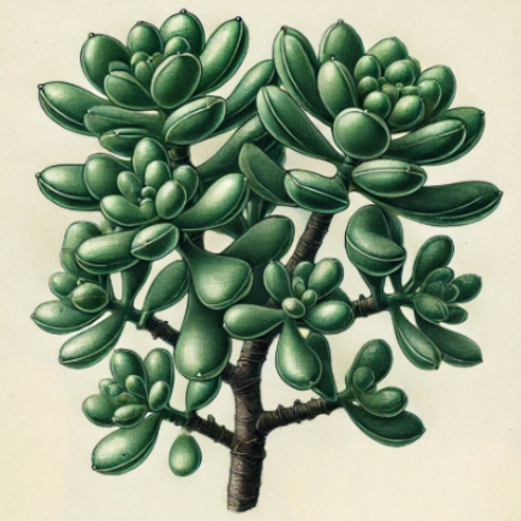
jade plant
Scientific Name: Crassula ovata
Description: A hardy succulent with thick, oval-shaped leaves that are glossy and dark green. Jade plants are often grown indoors as symbols of prosperity and luck.
Light Requirements: Loves bright, indirect light but can tolerate some direct sun.
Watering Needs: Water when the soil is dry; drought-tolerant.
Ideal Growing Conditions: Perfect for indoor spaces, especially near sunny windows.
Height: 3 to 6 feet
Spread: 2 to 3 feet
Fun Facts: Jade plants are said to bring good luck and are often given as gifts for new homes or businesses!

kalanchoe
Scientific Name: Crassula ovata
Description: A hardy succulent with thick, oval-shaped leaves that are glossy and dark green. Jade plants are often grown indoors as symbols of prosperity and luck.
Light Requirements: Loves bright, indirect light but can tolerate some direct sun.
Watering Needs: Water when the soil is dry; drought-tolerant.
Ideal Growing Conditions: Perfect for indoor spaces, especially near sunny windows.
Height: 3 to 6 feet
Spread: 2 to 3 feet
Fun Facts: Jade plants are said to bring good luck and are often given as gifts for new homes or businesses!

ladyfinger cactus
Scientific Name: Crassula ovata
Description: A hardy succulent with thick, oval-shaped leaves that are glossy and dark green. Jade plants are often grown indoors as symbols of prosperity and luck.
Light Requirements: Loves bright, indirect light but can tolerate some direct sun.
Watering Needs: Water when the soil is dry; drought-tolerant.
Ideal Growing Conditions: Perfect for indoor spaces, especially near sunny windows.
Height: 3 to 6 feet
Spread: 2 to 3 feet
Fun Facts: Jade plants are said to bring good luck and are often given as gifts for new homes or businesses!

latana
Scientific Name: Crassula ovata
Description: A hardy succulent with thick, oval-shaped leaves that are glossy and dark green. Jade plants are often grown indoors as symbols of prosperity and luck.
Light Requirements: Loves bright, indirect light but can tolerate some direct sun.
Watering Needs: Water when the soil is dry; drought-tolerant.
Ideal Growing Conditions: Perfect for indoor spaces, especially near sunny windows.
Height: 3 to 6 feet
Spread: 2 to 3 feet
Fun Facts: Jade plants are said to bring good luck and are often given as gifts for new homes or businesses!

lavender scallops
Scientific Name: Kalanchoe fedtschenkoi
Description: A charming succulent with scalloped, lavender-tinged leaves that can develop pink edges in bright sunlight. It produces small, bell-shaped flowers on tall stalks.
Light Requirements: Thrives in bright, indirect light to full sun.
Watering Needs: Allow soil to dry out between waterings; water sparingly to prevent rot.
Ideal Growing Conditions: Prefers warm, dry environments and well-draining soil; excellent for indoor pots or outdoor rock gardens.
Height: 1 to 2 feet
Spread: 2 to 3 feet
Fun Facts: This plant is a fast grower and can spread easily through fallen leaves, making it a great choice for propagation!

Lipstick echeveria
Scientific Name: Echeveria agavoides
Description: A rosette-shaped succulent with bright green leaves edged in red, giving it the appearance of wearing “lipstick.” It’s compact and perfect for small spaces.
Light Requirements: Loves bright, direct sunlight.
Watering Needs: Water when the soil is completely dry.
Ideal Growing Conditions: Great for sunny window sills or outdoor gardens in warm, dry climates.
Height: 6 to 12 inches
Spread: 8 to 12 inches
Fun Facts: The red “lipstick” coloring becomes even more pronounced with increased sun exposure!

mandevilla
Scientific Name: Mandevilla spp.
Description: A tropical vine with large, trumpet-shaped flowers in pink, red, or white. Mandevilla is known for its fast growth and stunning blooms, perfect for trellises and arbors.
Light Requirements: Thrives in full sun to partial shade.
Watering Needs: Keep the soil evenly moist but not waterlogged.
Ideal Growing Conditions: Perfect for outdoor spaces, especially in warm, sunny climates or as a patio plant.
Height: Vining (varies)
Spread: Vining (varies)
Fun Facts: Mandevilla is a popular plant for vertical gardening due to its ability to climb and produce abundant, colorful flowers.

marigolds
Scientific Name: Tagetes spp.
Description: A cheerful annual with bright yellow, orange, or red blooms. Marigolds are easy to grow and are often used to add color to gardens or as companion plants in vegetable beds.
Light Requirements: Thrives in full sun.
Watering Needs: Water when the top inch of soil is dry.
Ideal Growing Conditions: Great for outdoor gardens, containers, or as a companion plant in vegetable gardens.
Height: 1 to 3 feet
Spread: 6 to 12 inches
Fun Facts: Marigolds are natural pest repellents, often planted alongside vegetables to deter harmful insects.

Marnier's Kalanchoe
Scientific Name: Kalanchoe marnieriana
Description: A unique succulent with flat, round, bluish-green leaves that grow in stacked, overlapping rows along upright stems. The leaf edges often turn pink in bright light, and it produces clusters of coral-red flowers in winter.
Light Requirements: Thrives in bright, indirect light but can tolerate some direct sun to enhance leaf color.
Watering Needs: Allow the soil to dry completely between waterings; very drought-tolerant.
Ideal Growing Conditions: Perfect for sunny indoor spots, succulent gardens, or outdoor containers in warm climates.
Height: 12 to 18 inches
Spread: 12 to 24 inches
Fun Facts: Marnier's Kalanchoe’s leaves can develop beautiful pink or purple edges when exposed to enough sunlight, making it a colorful standout in any succulent collection!

mistletoe cactus
Scientific Name: Rhipsalis baccifera
Description: A unique, epiphytic cactus with long, trailing stems that resemble mistletoe. It’s perfect for hanging baskets and adds a touch of greenery to any space.
Light Requirements: Prefers bright, indirect light but can tolerate low light.
Watering Needs: Keep soil lightly moist, but avoid waterlogging.
Ideal Growing Conditions: Ideal for indoor hanging baskets or shady outdoor areas in warm climates.
Height: 3 to 6 feet
Spread: 2 to 3 feet
Fun Facts: Unlike most cacti, the Mistletoe Cactus thrives in more humid environments, making it unique among its cactus cousins!

monstera
Scientific Name: Monstera deliciosa
Description: Known for its large, glossy leaves with distinctive splits and holes, the Monstera is a popular houseplant that adds a bold, tropical vibe to any room. Prefers climbing on a moss pole. Aerial roots add to the interest of this unique plant.
Light Requirements: Loves bright, indirect light.
Watering Needs: Water when the top inch of soil is dry.
Ideal Growing Conditions: Perfect for indoor spaces, especially in warm, humid environments.
Height: 10 to 15 feet
Spread: 6 to 8 feet
Fun Facts: Monstera’s common nickname is “Swiss Cheese Plant” due to the unique holes and splits in its leaves! Leaves can grow as large as 18 inches long.

moonlight philodendron
Scientific Name: Philodendron 'Moonlight'
Description: A striking plant with bright, neon-green leaves that give a glowing effect. Its compact size and vibrant color make it a standout in any plant collection.
Light Requirements: Prefers bright, indirect light.
Watering Needs: Water when the top inch of soil feels dry.
Ideal Growing Conditions: Great for indoor spaces, especially in warm, humid environments.
Height: 3 to 4 feet
Spread: 1 to 2 feet
Fun Facts: The bright chartreuse color of the Moonlight Philodendron’s leaves adds an instant burst of energy to any space!

moth orchid
Scientific Name: Phalaenopsis spp.
Description: A delicate and popular orchid with elegant, butterfly-shaped blooms in shades of white, pink, purple, and yellow. The flowers can last for months, making it a favorite for indoor spaces.
Light Requirements: Loves bright, indirect light.
Watering Needs: Water when the top inch of soil feels dry, and avoid water pooling in the crown.
Ideal Growing Conditions: Perfect for indoor environments with consistent humidity and temperature.
Height: 1 to 3 feet
Spread: 1 to 2 feet
Fun Facts: Moth Orchids are among the easiest orchids to care for and can rebloom with the right conditions.

mum
Scientific Name: Chrysanthemum spp.
Description: A bright, bushy plant known for its abundant blooms in various colors, including yellow, red, orange, and purple. Mums are a fall favorite, bringing color to gardens as other plants start to fade.
Light Requirements: Thrives in full sun.
Watering Needs: Keep soil consistently moist, especially when blooming.
Ideal Growing Conditions: Great for outdoor gardens and containers. Prefers cool weather and well-drained soil.
Height: 18 to 36 inches
Spread: 12 to 36 inches
Fun Facts: Mums are often associated with autumn and are a symbol of longevity and joy in many cultures.

pansies
Scientific Name: Viola tricolor var. hortensis
Description: A cold-hardy plant with cheerful, multi-colored blooms that often feature a face-like pattern. Pansies add bright, bold color to gardens even in cooler weather.
Light Requirements: Thrives in full sun to partial shade.
Watering Needs: Keep soil moist but well-drained.
Ideal Growing Conditions: Perfect for cool-season gardens, containers, or hanging baskets.
Height: 6 to 12 inches
Spread: 6 to 12 inches
Fun Facts: Pansies can survive light frost and are one of the few flowers that bloom even in early spring or late fall.

paperwhites
Scientific Name: Narcissus papyraceus
Description: A delicate, fragrant flower with white, star-shaped blooms. Paperwhites are often grown indoors during the winter for a burst of fresh fragrance and beauty.
Light Requirements: Loves bright, indirect light.
Watering Needs: Keep the soil moist, but avoid waterlogging.
Ideal Growing Conditions: Perfect for indoor forcing in containers, especially during the winter months.
Height: 12 to 18 inches
Spread: 6 to 12 inches
Fun Facts: Paperwhites are commonly grown indoors without soil, using just water and pebbles to encourage blooming!

parsley
Scientific Name: Petroselinum crispum
Description: A versatile herb with bright green, curly or flat leaves. Parsley is a kitchen staple, used for both cooking and garnishing dishes.
Light Requirements: Loves full sun but can tolerate partial shade.
Watering Needs: Keep the soil consistently moist.
Ideal Growing Conditions: Perfect for herb gardens, containers, or sunny indoor spaces.
Height: 8 to 12 inches
Spread: 8 to 12 inches
Fun Facts: Parsley is rich in vitamins A, C, and K, making it a nutritious addition to your diet!

peace lily
Scientific Name: Spathiphyllum spp.
Description: A graceful houseplant with glossy green leaves and elegant white blooms that resemble calla lilies. The Peace Lily is popular for its beauty and easy care.
Light Requirements: Thrives in low to bright, indirect light.
Watering Needs: Water when the top inch of soil is dry; enjoys higher humidity.
Ideal Growing Conditions: Great for indoor spaces, especially low-light areas.
Height: 3 to 6 feet
Spread: 3 to 4 feet
Fun Facts: Peace Lilies are excellent air purifiers, helping to remove toxins from indoor environments.

pencil tree
Scientific Name: Euphorbia tirucalli
Description: A striking succulent shrub with slender, cylindrical, green stems that resemble pencils. In bright sunlight, the tips can turn reddish or orange, earning it the nickname “Fire Stick.”
Light Requirements: Prefers full sun but can tolerate partial shade.
Watering Needs: Drought-tolerant; allow soil to dry completely between waterings.
Ideal Growing Conditions: Thrives in warm, arid climates with well-draining soil; excellent for xeriscaping and container gardening.
Height: 6 to 30 feet (depending on growing conditions)
Spread: 3 to 10 feet
Fun Facts: The sap of the Pencil Tree is toxic and can cause skin irritation, so handle with care!

pentas
Scientific Name: Pentas lanceolata
Description: A flowering plant with clusters of small, star-shaped flowers in shades of red, pink, white, or purple. Pentas attract butterflies and hummingbirds, making them a great choice for pollinator gardens.
Light Requirements: Loves full sun to partial shade.
Watering Needs: Water regularly, but allow the soil to dry slightly between waterings.
Ideal Growing Conditions: Perfect for outdoor gardens or containers in warm climates.
Height: 12 to 36 inches
Spread: 12 to 18 inches
Fun Facts: Pentas are known as “Egyptian Starflowers” because of their star-shaped blooms and their origins in tropical regions.
persian carpet flower
Scientific Name: Portulaca grandiflora
Description: A low-growing, mat-forming succulent with vibrant, multicolored blooms resembling a Persian carpet. The flowers come in shades of red, pink, yellow, orange, and white, often with striking bi-color patterns.
Light Requirements: Thrives in full sun.
Watering Needs: Water when the top inch of soil is dry; drought-tolerant once established.
Ideal Growing Conditions: Great for sunny outdoor gardens and borders. Prefers warm, dry climates.
Height: 4 to 8 inches
Spread: 6 to 12 inches
Fun Facts: Persian Carpet Flower is a variety of Portulaca grandiflora, also known as Moss Rose. Its blooms open during the day and close at night. This plant attracts pollinators like bees and butterflies and is resistant to deer and rabbits.

petunias
Scientific Name: Petunia spp.
Description: A popular annualflowering plant known for its trumpet-shaped blooms in a variety of vibrant colors, including pink, purple, red, and white. Petunias are a favorite for adding long-lasting color to gardens in the cooler months.
Light Requirements: Thrives in full sun to partial shade.
Watering Needs: Water when the top inch of soil feels dry; prefers well-drained soil.
Ideal Growing Conditions: Perfect for outdoor gardens, hanging baskets, or containers. Loves warm weather and plenty of sunshine.
Height: 6 to 12 inches
Spread: 12 to 36 inches
Fun Facts: Petunias are known to attract hummingbirds, making them a great addition to wildlife-friendly gardens!

Prayer Peperomia
Scientific Name: Peperomia caperata
Description: The Prayer Peperomia is a compact, ornamental plant known for its distinctive, textured leaves that fold upward at night, resembling a praying gesture. Its leaves are usually dark green with a subtle, silvery sheen, creating a striking contrast. This low-maintenance plant is perfect for adding a touch of greenery to smaller spaces or as part of a larger plant collection.
Light Requirements: Prefers bright, indirect light but can tolerate lower light conditions. Avoid direct sunlight, as it can scorch the leaves. The plant will thrive in areas with filtered light, such as near a window with sheer curtains.
Watering Needs: Water when the top inch of soil feels dry. Be cautious not to overwater, as the Prayer Peperomia is prone to root rot. Allow the soil to dry out between waterings, and ensure the pot has good drainage.
Ideal Growing Conditions: Thrives in moderate humidity, making it suitable for most indoor environments. If your home is particularly dry, occasional misting or using a humidity tray can help it flourish. It prefers warmer temperatures and should be kept away from drafts.
Height: 6 to 12 inches
Spread: 6 to 12 inches
Fun Facts: The Prayer Peperomia gets its name from the way its leaves fold upward at night, a behavior known as nyctinasty. It’s a great choice for beginners, as it’s both hardy and easy to care for. This plant also makes a wonderful addition to terrariums and small containers.

prince of orange philodendron
Scientific Name: Philodendron 'Prince of Orange'
Description: A unique variety of Philodendron with bright orange new leaves that gradually fade to yellow and then green as they mature, giving it a striking appearance.
Light Requirements: Prefers bright, indirect light.
Watering Needs: Water when the top inch of soil feels dry.
Ideal Growing Conditions: Perfect for indoor spaces with bright, indirect light. Enjoys warm, humid environments.
Height: 18 to 24 inches
Spread: 12 to 24 inches
Fun Facts: The bold color changes in its leaves make the Prince of Orange a standout among Philodendrons, perfect for adding a splash of color to any indoor space!

poinsetta
Scientific Name: Euphorbia pulcherrima
Description: Best known for its bright red and green foliage, Poinsettias are a classic symbol of the holiday season. They also come in shades of pink, white, and orange.
Light Requirements: Loves bright, indirect light.
Watering Needs: Water when the top inch of soil is dry; avoid overwatering.
Ideal Growing Conditions: Perfect as an indoor plant during the holiday season but can be grown outdoors in warm climates.
Height: 3 to 10 feet
Spread: 3 to 4 feet
Fun Facts: The colorful “flowers” of Poinsettias are actually bracts, with the true flowers being small and yellow in the center.

rose painted calathea
Scientific Name: Calathea roseopicta
Description: A stunning tropical plant known for its dark green leaves with rose-colored stripes and purple undersides. It’s a favorite for adding a bold, artistic touch to indoor spaces.
Light Requirements: Prefers bright, indirect light but can tolerate lower light conditions.
Watering Needs: Keep soil moist but not soggy; loves high humidity.
Ideal Growing Conditions: Perfect for indoor environments, especially in warm, humid spaces.
Height: 12 to 24 inches
Spread: 6 to 18 inches
Fun Facts: Calatheas are also known as "Prayer Plants" because their leaves fold up at night and open again in the morning!

rosemary
Scientific Name: Salvia rosmarinus
Description: A fragrant, woody herb with needle-like leaves used for cooking and aromatherapy. Rosemary is both ornamental and functional, making it a favorite in herb gardens.
Light Requirements: Thrives in full sun.
Watering Needs: Water when the soil is dry; prefers well-drained soil.
Ideal Growing Conditions: Great for outdoor herb gardens or as a potted plant indoors. Prefers warm, sunny locations
Height: 4 to 6 feet
Spread: 4 to 5 feet
Fun Facts: Rosemary has long been associated with memory and remembrance and was traditionally used in weddings and funerals for this purpose.

salvia
Scientific Name: Salvia spp.
Description: A vibrant flowering plant with tall spikes of blue, purple, red, or white flowers. Salvia is a favorite among pollinators and adds a splash of color to gardens.
Light Requirements: Thrives in full sun.
Watering Needs: Water when the top inch of soil feels dry; prefers well-drained soil.
Ideal Growing Conditions: Perfect for sunny outdoor gardens, borders, or containers.
Height: 2 to 4 feet
Spread: 1 to 4 feet
Fun Facts: Salvia is a member of the mint family and is known for attracting butterflies and hummingbirds to the garden!

schefflera
Scientific Name: Schefflera amate
Description: A popular houseplant or outdoor hedge with glossy, umbrella-shaped leaf clusters. Known for it’s fast growing tendencies, it can be easily pruned to maintain size indoors.
Light Requirements: Prefers bright, indirect light but can tolerate low light.
Watering Needs: Water when the top inch of soil feels dry.
Ideal Growing Conditions: Perfect for indoor spaces and offices. Thrives in warm, humid environments.
Height: 4 to 6 feet (indoors); up to 25 feet (outdoors)
Spread: 1 to 3 feet (indoors)
Fun Facts: Schefflera is also known as the “Umbrella Tree” due to the arrangement of its leaves.

Seashell Zigzag Plant
Scientific Name: Crassula perfoliata var. Falcata
Description: Known for its distinctive, fan-shaped, succulent leaves that grow in a zigzag pattern, the Seashell Zigzag Plant has blue-green foliage with red edges that can turn more vibrant with sunlight. It produces bright orange or red flowers in summer.
Light Requirements: Thrives in bright, indirect light but can tolerate some direct sunlight.
Watering Needs: Allow the soil to dry completely between waterings; drought-tolerant once established.
Ideal Growing Conditions: Ideal for sunny windowsills, succulent gardens, or as an accent plant in outdoor spaces in warm climates.
Height: 12 to 18 inches
Spread: 12 to 24 inches
Fun Facts: The zigzag pattern of the leaves gives this plant its name, and the unique, shell-like shape of its leaves adds a touch of elegance to any plant collection!

shell ginger
Scientific Name: Alpinia zerumbet
Description: A tropical plant with long, arching leaves and clusters of shell-shaped, fragrant flowers that bloom in pink or white. It’s often grown for its bold foliage.
Light Requirements: Loves full sun to partial shade.
Watering Needs: Keep soil consistently moist but not soggy.
Ideal Growing Conditions: Great for warm outdoor gardens or as a container plant in bright indoor spaces.
Height: 4 to 6 feet
Spread: 4 to 8 feet
Fun Facts: Shell Ginger’s leaves are used in some cultures for medicinal purposes, and its flowers resemble seashells, giving the plant its name!

snake plant
Scientific Name: Sansevieria trifasciata
Description: A hardy, upright plant with long, sword-like leaves that are green with yellow edges or various patterns. Snake Plants are extremely low-maintenance.
Light Requirements: Tolerates low to bright, indirect light.
Watering Needs: Water when the soil is completely dry; very drought-tolerant.
Ideal Growing Conditions: Perfect for indoor spaces, especially in low-light areas.
Height: 1 to 3 feet
Spread: 6 to 36 inches
Fun Facts: Snake Plants are known for their air-purifying qualities, removing toxins from the air and making them ideal for bedrooms or offices.

spider plant
Scientific Name: Chlorophytum comosum
Description: A popular houseplant with arching green leaves striped with white or yellow. Spider Plants are known for producing baby “spiderettes” on long stems.
Light Requirements: Prefers bright, indirect light but can tolerate low light.
Watering Needs: Keep soil slightly moist but not soggy.
Ideal Growing Conditions: Perfect for hanging baskets indoors. Thrives in warm, humid environments.
Height: 6 to 12 inches
Spread: 2 to 4 feet
Fun Facts: Spider Plants are easy to propagate by planting their spiderettes in soil, making them great for sharing with friends!

staghorn fern
Scientific Name: Platycerium spp.
Description: An epiphytic fern with fronds that resemble deer antlers. Staghorn Ferns are often mounted on boards and displayed as living wall art.
Light Requirements: Loves bright, indirect light.
Watering Needs: Mist regularly or soak the entire plant when dry.
Ideal Growing Conditions: Great for indoor spaces with high humidity or shaded outdoor areas in warm climates.
Height: 2 to 3 feet
Spread: 4 to 6 feet
Fun Facts: Staghorn Ferns are often grown on wood plaques or in hanging baskets, making them a unique and decorative addition to any room.

sunflower
Scientific Name: Helianthus annuus
Description: A tall, striking plant with large, bright yellow blooms that follow the sun’s movement across the sky. Sunflowers are a symbol of summer and happiness.
Light Requirements: Loves full sun.
Watering Needs: Water regularly, especially during dry periods, but avoid waterlogging.
Ideal Growing Conditions: Perfect for sunny outdoor gardens or as part of a vegetable patch.
Height: 4 to 6 feet
Spread: 6 to 12 inches
Fun Facts: Sunflowers are heliotropic, meaning they turn their heads to follow the sun throughout the day!

Swiss Cheese Plant
Scientific Name: Monstera deliciosa
Description: A tropical plant known for its large, glossy, heart-shaped leaves with natural holes or splits, giving it the nickname "Swiss Cheese Plant." It adds a bold, jungle-like vibe to any space.
Light Requirements: Prefers bright, indirect light but can tolerate lower light; avoid direct sunlight, which can scorch the leaves.
Watering Needs: Water when the top 2-3 inches of soil are dry; likes humidity but dislikes soggy roots.
Ideal Growing Conditions: Great for indoor spaces with indirect light or shaded outdoor patios in warm climates.
Height: 6 to 8 feet indoors (can grow much taller outdoors)
Spread: 3 to 5 feet
Fun Facts: Monstera deliciosa gets its name because it can produce edible fruit in the wild that tastes like a mix of pineapple and banana—but it rarely fruits indoors!

ti plant
Scientific Name: Cordyline fruticosa
Description: A colorful, tropical plant with long, sword-shaped leaves in shades of green, red, and purple. It adds a bold, exotic touch to gardens or indoor spaces.
Light Requirements: Prefers bright, indirect light but can tolerate partial sun (2-6 hours direct sun)
Watering Needs: Keep soil consistently moist, but not soggy.
Ideal Growing Conditions: Great for outdoor tropical gardens or indoor containers. Prefers warm, humid climates.
Height: 3 to 10 feet
Spread: 2 to 4 feet
Fun Facts: In Hawaiian culture, Ti Plants are considered good luck and are often planted around homes for protection and prosperity.

Tugela Cliff Kalanchoe
Scientific Name: Kalanchoe longiflora coccinea
Description: A hardy succulent with thick, scalloped, green leaves that turn vibrant red or orange at the edges when exposed to bright light. It produces small, tubular yellow flowers in late fall or early winter.
Light Requirements: Prefers full sun to bright, indirect light to bring out its vivid leaf colors.
Watering Needs: Allow the soil to dry completely between waterings; very drought-tolerant and low-maintenance.
Ideal Growing Conditions: Perfect for sunny windowsills, rock gardens, or outdoor containers in warm, dry climates.
Height: 12 to 18 inches
Spread: 12 to 24 inches
Fun Facts: Tugela Cliff Kalanchoe is native to South Africa and gets its name from the Tugela River cliffs where it naturally grows—its leaves become even more colorful with sun exposure!

vinca
Scientific Name: Catharanthus roseus
Description: A hardy, flowering plant with glossy green leaves and cheerful blooms in shades of pink, white, and red. Vinca is known for its drought tolerance and vibrant flowers. A prolific seeder.
Light Requirements: Thrives in full sun to partial shade.
Watering Needs: Water when the top inch of soil feels dry; drought-tolerant once established.
Ideal Growing Conditions: Perfect for outdoor gardens, borders, or containers. Prefers warm weather and well-drained soil.
Height: 6 to 24 inches
Spread: 12 to 24 inches
Fun Facts: Vinca is often used as ground cover and is known for blooming throughout the summer, even in hot, dry conditions.

viola
Scientific Name: Viola spp.
Description: A small, delicate flower with heart-shaped petals in a wide range of colors, including purple, yellow, and white. Violas are known for their charming, old-fashioned beauty.
Light Requirements: Prefers partial shade to full sun.
Watering Needs: Keep the soil consistently moist but well-drained.
Ideal Growing Conditions: Great for outdoor gardens, containers, or window boxes. Thrives in cooler weather.
Height: 6 to 12 inches
Spread: 6 to 12 inches
Fun Facts: Violas are edible and are often used to garnish salads and desserts, adding both color and flavor.
wax plant
Scientific Name: Hoya carnosa
Description: A trailing or climbing plant with thick, waxy leaves and clusters of fragrant, star-shaped flowers. The blooms resemble tiny wax sculptures, giving the plant its name.
Light Requirements: Loves bright, indirect light.
Watering Needs: Water when the soil is completely dry; prefers well-drained soil.
Ideal Growing Conditions: Perfect for hanging baskets indoors or on patios. Thrives in warm, humid environments.
Height: Varies based on variety
Spread: Varies based on variety
Fun Facts: The Wax Plant’s flowers produce a sweet fragrance, especially at night, making it a favorite for indoor spaces.

xanadu plant
Scientific Name: Philodendron xanadu
Description: A compact, bushy plant with deeply lobed, glossy green leaves that add a tropical touch to indoor or outdoor spaces. It’s known for its sculptural beauty.
Light Requirements: Thrives in bright, indirect light but can tolerate some shade.
Watering Needs: Water when the top inch of soil feels dry.
Ideal Growing Conditions: Great for indoor spaces or shaded outdoor gardens. Prefers warm, humid environments.
Height: 3 to 5 feet
Spread: 3 to 5 feet
Fun Facts: Unlike many Philodendrons, the Xanadu is a non-climbing variety, making it easier to manage in smaller spaces.

zinnia
Scientific Name: Zinnia spp.
Description: A vibrant, colorful flower with daisy-like blooms in a wide array of colors, including red, pink, yellow, and orange. Zinnias are easy to grow and add bold color to gardens.
Light Requirements: Thrives in full sun.
Watering Needs: Water when the top inch of soil is dry; drought-tolerant once established.
Ideal Growing Conditions: Perfect for outdoor gardens, borders, or containers. Prefers warm, sunny environments.
Height: 6 to 36 inches
Spread: 12 to 24 inches
Fun Facts: Zinnias are known for attracting butterflies to gardens and are a favorite among pollinators.

zz plant
Scientific Name: Zamioculcas zamiifolia
Description: A hardy, low-maintenance houseplant with glossy, dark green leaves that grow in an upright, architectural form. The ZZ Plant is nearly indestructible and thrives in low light.
Light Requirements: Tolerates low to bright, indirect light.
Watering Needs: Water when the soil is completely dry; very drought-tolerant.
Ideal Growing Conditions: Perfect for indoor spaces, especially low-light areas like offices or rooms with little natural light.
Height: 2 to 4 feet
Spread: 2 to 4 feet
Fun Facts: The ZZ Plant stores water in its thick rhizomes, allowing it to survive long periods of drought, making it a great plant for busy or forgetful plant owners!